TEK-102 Guide: Uses, Benefits and Future Technology
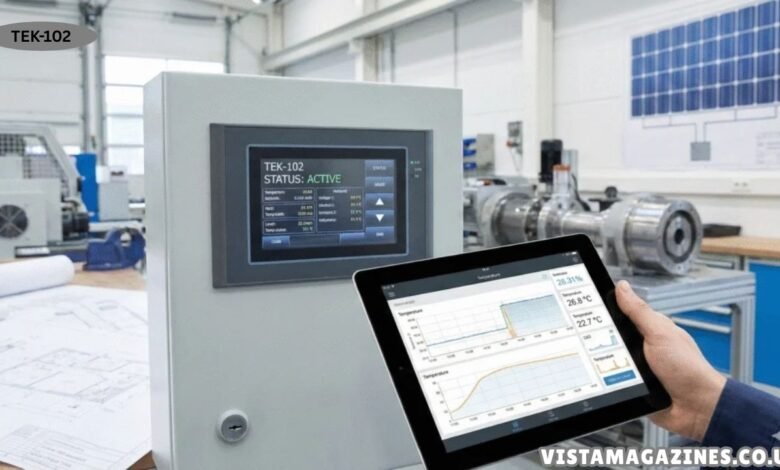
TEK-102 is rapidly emerging as a term that attracts attention across modern technological discussions, innovation environments, and digital transformation conversations. Although many people encounter the phrase TEK-102 in technical documentation, training modules, system classifications, or experimental frameworks, its broader meaning often remains unclear to beginners. In simple terms, TEK-102 represents an advanced conceptual or structured technological model designed to enhance efficiency, automation, system integration, and performance optimization within digital or technical ecosystems. The importance of TEK-102 lies not only in what it represents today but also in how it shapes future operational standards across industries.
The increasing dependence on intelligent systems, automated infrastructures, and data-driven decision-making has created a need for standardized frameworks capable of supporting scalable innovation. TEK-102 fulfills this need by acting as a structured layer that connects processes, technologies, and operational logic into a unified mechanism. Businesses, educational institutions, research teams, and technology developers increasingly rely on models similar to TEK-102 to simplify complex workflows and maintain consistency in technological deployment.
As industries evolve toward smart environments and digital ecosystems, TEK-102 stands as a representation of next-generation operational thinking. Rather than being limited to a single device or platform, TEK-102 functions as a flexible concept adaptable to multiple technological contexts. This adaptability explains why discussions surrounding TEK-102 continue expanding across sectors such as software development, automation engineering, data systems, and digital infrastructure management.
The Conceptual Foundation Behind TEK-102
Understanding TEK-102 requires examining the foundational principles that define its structure. At its core, TEK-102 operates on integration, optimization, scalability, and intelligent control. These principles allow systems to communicate efficiently while maintaining operational stability even under high workloads or rapidly changing conditions.
Integration is one of the most critical elements of TEK-102. Modern technological environments often consist of multiple independent systems that struggle to communicate effectively. TEK-102 introduces structured compatibility that allows separate technologies to function as a unified ecosystem. This reduces redundancy, minimizes operational conflict, and enhances overall productivity.
Optimization within TEK-102 focuses on improving performance without increasing resource consumption unnecessarily. By refining processes and analyzing system behavior, TEK-102 frameworks ensure that operations achieve maximum efficiency using minimal energy, processing power, or human intervention. This optimization approach becomes particularly valuable in organizations managing large-scale digital infrastructures.
Scalability is another defining characteristic of TEK-102. Traditional systems frequently encounter limitations when expansion becomes necessary. TEK-102 designs anticipate growth from the beginning, allowing systems to expand seamlessly without requiring complete restructuring. This future-ready design philosophy enables organizations to adapt quickly to evolving technological demands.

Key Components and Structure of TEK-102 Systems
A typical TEK-102 structure consists of several interconnected components working together to maintain efficiency and reliability. These components form the backbone of TEK-102 implementation and ensure consistent performance across applications.
The first component involves data management architecture. TEK-102 emphasizes organized data flow, ensuring information moves securely and efficiently between different system layers. Proper data handling prevents bottlenecks and supports real-time decision-making capabilities.
The second component focuses on automation control mechanisms. Automation within TEK-102 reduces manual dependency and allows systems to execute predefined operations independently. This capability improves accuracy while significantly lowering operational costs.
Another essential component includes monitoring and feedback systems. TEK-102 environments continuously analyze performance metrics and operational outputs. These feedback loops enable systems to self-adjust and maintain optimal performance conditions without constant human supervision.
Security architecture also plays a major role within TEK-102 systems. As digital threats continue evolving, TEK-102 integrates protective mechanisms designed to safeguard sensitive information and maintain system integrity. Security is not treated as an external addition but as a built-in operational layer.
Applications of TEK-102 Across Different Industries
The versatility of TEK-102 allows it to be applied across numerous industries, making it highly valuable in modern technological landscapes. One of the most prominent areas of application is information technology infrastructure. Organizations implementing TEK-102 frameworks can manage servers, databases, and digital platforms more efficiently through centralized control systems.
In the education sector, TEK-102 contributes to smart learning environments by enabling adaptive digital platforms capable of responding to student needs. Automated assessment systems, virtual laboratories, and integrated learning management platforms benefit significantly from TEK-102 methodologies.
Manufacturing industries also leverage TEK-102 principles to enhance automation and production accuracy. Smart factories rely on interconnected machines capable of communicating in real time. TEK-102 helps coordinate these interactions, reducing downtime and improving productivity.
Healthcare environments represent another growing application area. Patient data management, diagnostic support systems, and intelligent monitoring technologies can operate more reliably when structured under TEK-102-based frameworks. This leads to faster analysis, improved patient care, and efficient resource allocation.
Even service-based industries adopt TEK-102 concepts to streamline workflow management, customer interaction systems, and operational analytics. By integrating multiple business processes into a unified system, organizations achieve higher responsiveness and improved service quality.
Benefits and Advantages of Implementing TEK-102
Organizations adopting TEK-102 frameworks experience a wide range of benefits that extend beyond technological improvement. One of the most noticeable advantages is enhanced operational efficiency. Automated processes eliminate repetitive tasks, allowing human resources to focus on strategic activities rather than routine operations.
Cost optimization is another major benefit associated with TEK-102. Efficient resource utilization reduces energy consumption, minimizes maintenance expenses, and prevents system downtime. Over time, these improvements translate into significant financial savings.
TEK-102 also improves decision-making capabilities through advanced data analysis and real-time insights. Managers and system operators gain access to accurate performance information, enabling informed decisions that enhance productivity and competitiveness.
Flexibility represents another strength of TEK-102 systems. Organizations can customize implementations according to their unique requirements without compromising system stability. This adaptability ensures long-term usability even as technologies evolve.
Furthermore, TEK-102 enhances reliability by maintaining consistent performance standards. Built-in monitoring mechanisms quickly identify irregularities, allowing preventive action before issues escalate into major failures.
Challenges and Limitations Associated with TEK-102
Despite its numerous advantages, implementing TEK-102 may present certain challenges. One of the primary difficulties involves initial setup complexity. Establishing integrated systems requires careful planning, skilled professionals, and structured implementation strategies.
Training requirements also pose challenges for organizations transitioning toward TEK-102 environments. Employees must understand new workflows and operational tools, which may temporarily slow productivity during adaptation phases.
Another limitation relates to compatibility with legacy systems. Older infrastructures may require upgrades or modifications before they can operate effectively within TEK-102 frameworks. This transition process demands both technical expertise and investment.
Security management, although strengthened within TEK-102, still requires continuous monitoring due to evolving cyber threats. Organizations must maintain updated protocols to ensure long-term system protection.
However, these challenges are generally temporary and manageable when organizations adopt strategic planning and phased implementation approaches.
The Future Potential and Evolution of TEK-102
The future of TEK-102 appears closely connected with advancements in artificial intelligence, automation, and intelligent networking technologies. As digital ecosystems become increasingly interconnected, frameworks like TEK-102 will likely serve as foundational models supporting next-generation innovation.
Future developments may include self-learning TEK-102 systems capable of predicting operational outcomes and adjusting processes automatically. Such intelligent adaptability could transform industries by reducing human intervention while improving accuracy and efficiency.
Smart cities, autonomous transportation systems, and advanced industrial automation environments may heavily depend on TEK-102-style frameworks to manage large-scale interconnected infrastructures. These applications highlight the long-term relevance of TEK-102 in shaping technological progress.
Additionally, sustainability initiatives may benefit from TEK-102 optimization capabilities. Efficient resource management and energy monitoring can contribute to environmentally responsible technological development.
Why TEK-102 Matters in Modern Digital Transformation
Digital transformation is no longer optional for organizations seeking competitiveness in modern markets. TEK-102 plays a significant role in enabling this transformation by providing structured pathways for technological integration and innovation.
By aligning operational processes with intelligent systems, TEK-102 bridges the gap between traditional workflows and modern digital solutions. Organizations adopting TEK-102 gain the ability to respond quickly to market changes, technological disruptions, and customer expectations.
Moreover, TEK-102 encourages long-term strategic thinking rather than short-term technological fixes. Its scalable design ensures continued relevance even as new technologies emerge. This forward-thinking approach positions TEK-102 as a valuable framework for sustainable growth.
Conclusion: The Expanding Role of TEK-102
TEK-102 represents more than just a technical term; it symbolizes a shift toward structured, intelligent, and integrated technological environments. From improving efficiency and automation to enabling scalable innovation, TEK-102 offers a comprehensive approach to managing complex systems in a rapidly evolving digital world.
As industries continue embracing automation and data-driven operations, the importance of TEK-102 will likely grow further. Organizations that understand and implement TEK-102 principles today position themselves for long-term success in tomorrow’s technology landscape. Whether applied in education, manufacturing, healthcare, or digital services, TEK-102 provides a powerful framework capable of transforming operational efficiency and technological capability on a global scale.
Also read: Is the ICS Airsoft Galil AR Still in Production – Full Availability Guide